A December city day can be a pastry, an indoor visit and a comfortable place for dinner. Enjoy a clear afternoon when you get one, but keep special evenings and transport arrangements separate from an ordinary-day plan.
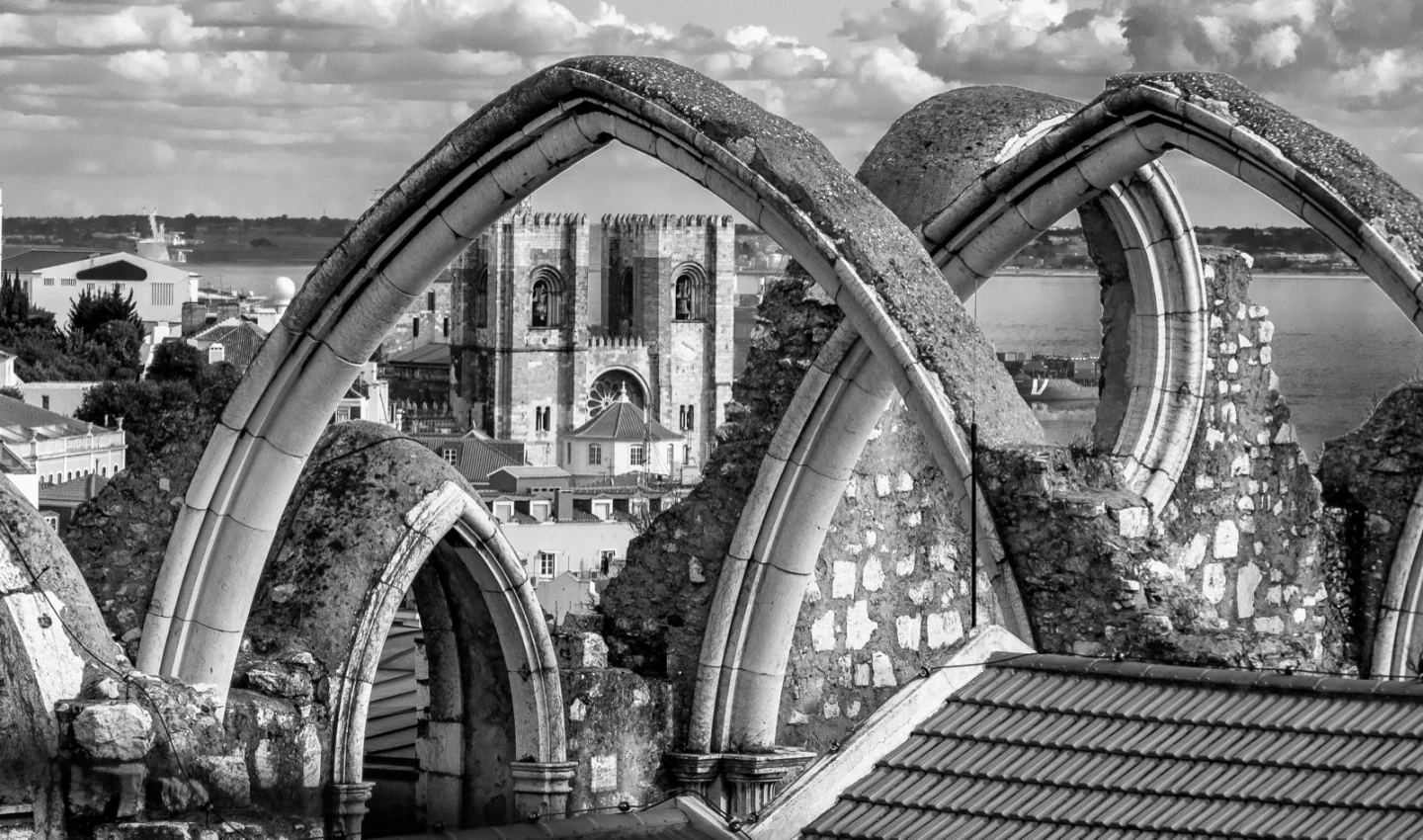
Lisbon through Carmo’s arches · Lisbon setting, not a forecast or dated event photograph
In short
For Lisbon in December, use the monthly climate as planning context, then check the daily forecast closer to your trip. Choose a date in the calendar for programmes with published dates, and keep longer exhibitions and festival periods separate. Pick one indoor option and one neighbourhood stop so the day can stay flexible.
SEASONAL AVERAGE · NOT A DAILY FORECAST
December, typically
15.4°CMean daily high
9.4°CMean daily low
10.0Days with ≥1mm rain per month, on average
IPMA · Instituto Geofísico station 535 · 1991–2020 monthly normals. These are not daily extremes, a forecast for this year or a count of rain days already observed.
The forecast covers only the next seven days when available. Later travel dates keep their seasonal averages until a forecast is published.
Lisbon local time, rounded to minutes. Buildings, hills and clouds affect the view. Check the forecast too. Choose a calendar date to change the estimate.
33 programmes and 0 additional festival editions currently listed for this month. Coverage is partial; a missing listing does not mean there is nothing on.
Date numbers count programmes with explicit published dates, not daily performances inside longer periods. Terracotta outline: today. Select a date to update the lists and daylight estimate.
Mowgli brings Rudyard Kipling’s Jungle Book to Teatro Armando Cortez, with music, movement and a story about people and nature. Mowgli and Shanti try to connect their different worlds while facing Shere Khan. Choose a family weekend performance; weekday sessions are for schools. The theatre lists Saturdays at 15:00 and Sundays at 11:00 during the announced run.
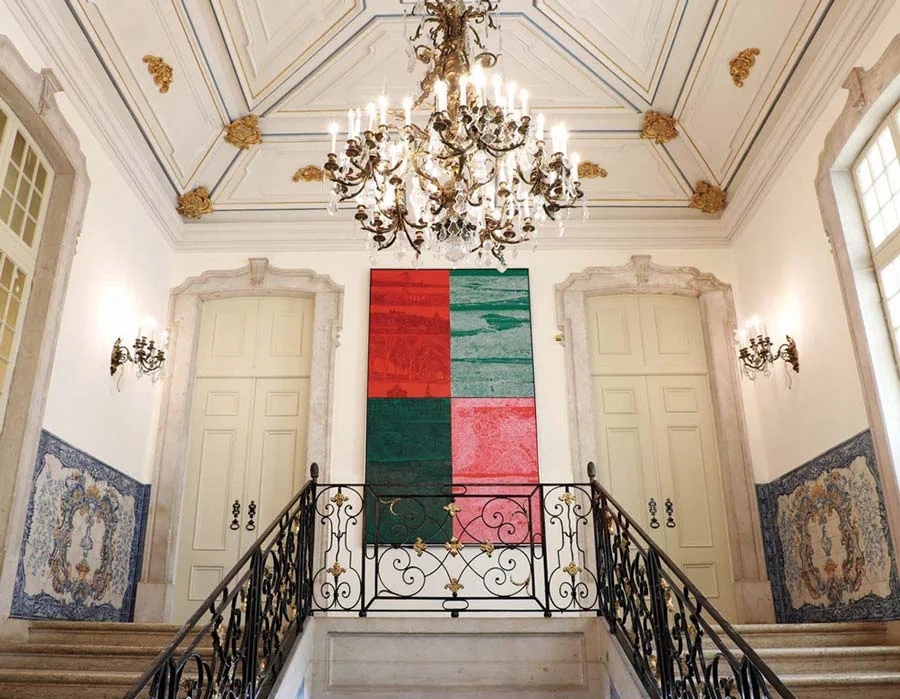
Fundação Calouste Gulbenkian - Centro de Arte Moderna
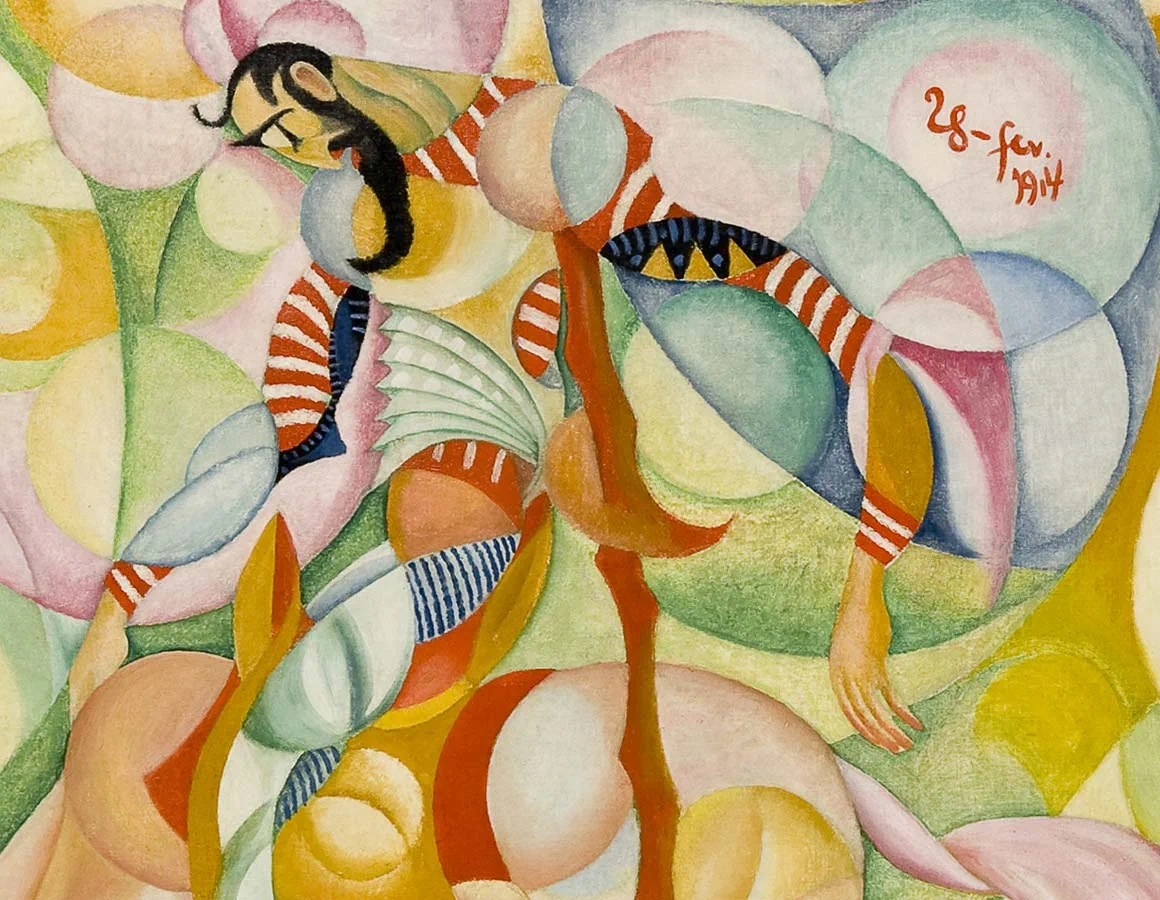
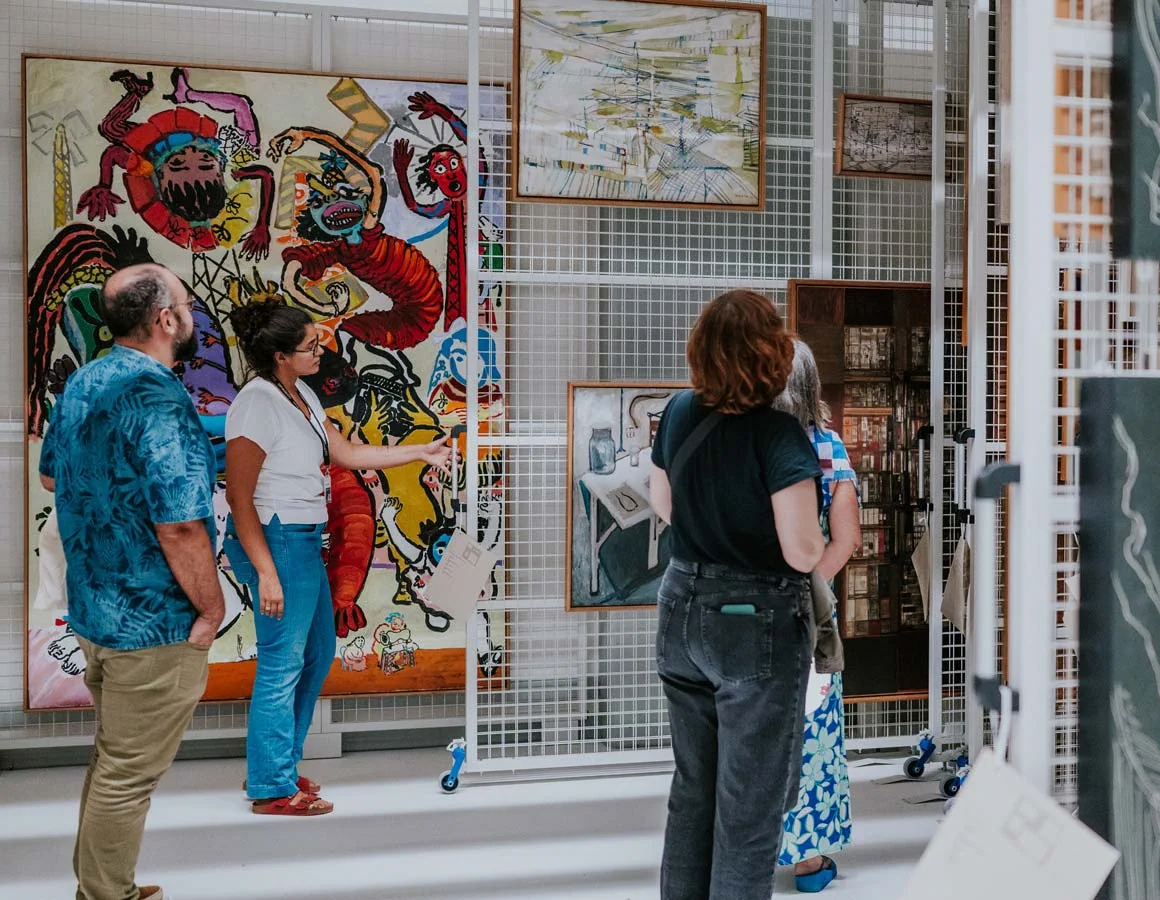
CAM uses the storytelling world of One Thousand and One Nights to explore its collection. Think gallery visit and stories told through artworks, not a staged performance of the tales.
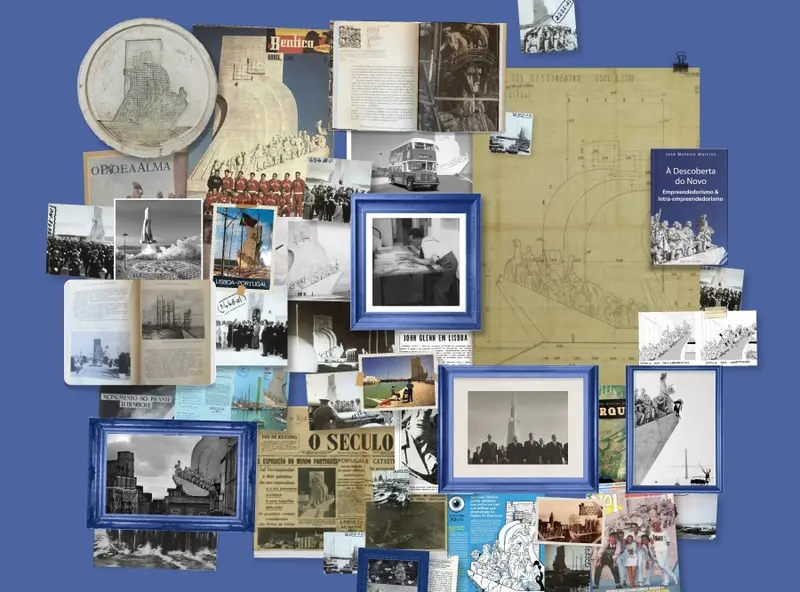
At Padrão dos Descobrimentos, this exhibition follows the monument’s image from 1940 onwards. Objects and visual references show how a familiar Lisbon landmark became part of everyday culture; this is an exhibition, not a house tour.
Large models, film-inspired worlds, an interactive play area and a trick-photo gallery fill Cordoaria Nacional. A family-friendly exhibition rather than a guided building workshop; confirm current ticket and age rules.
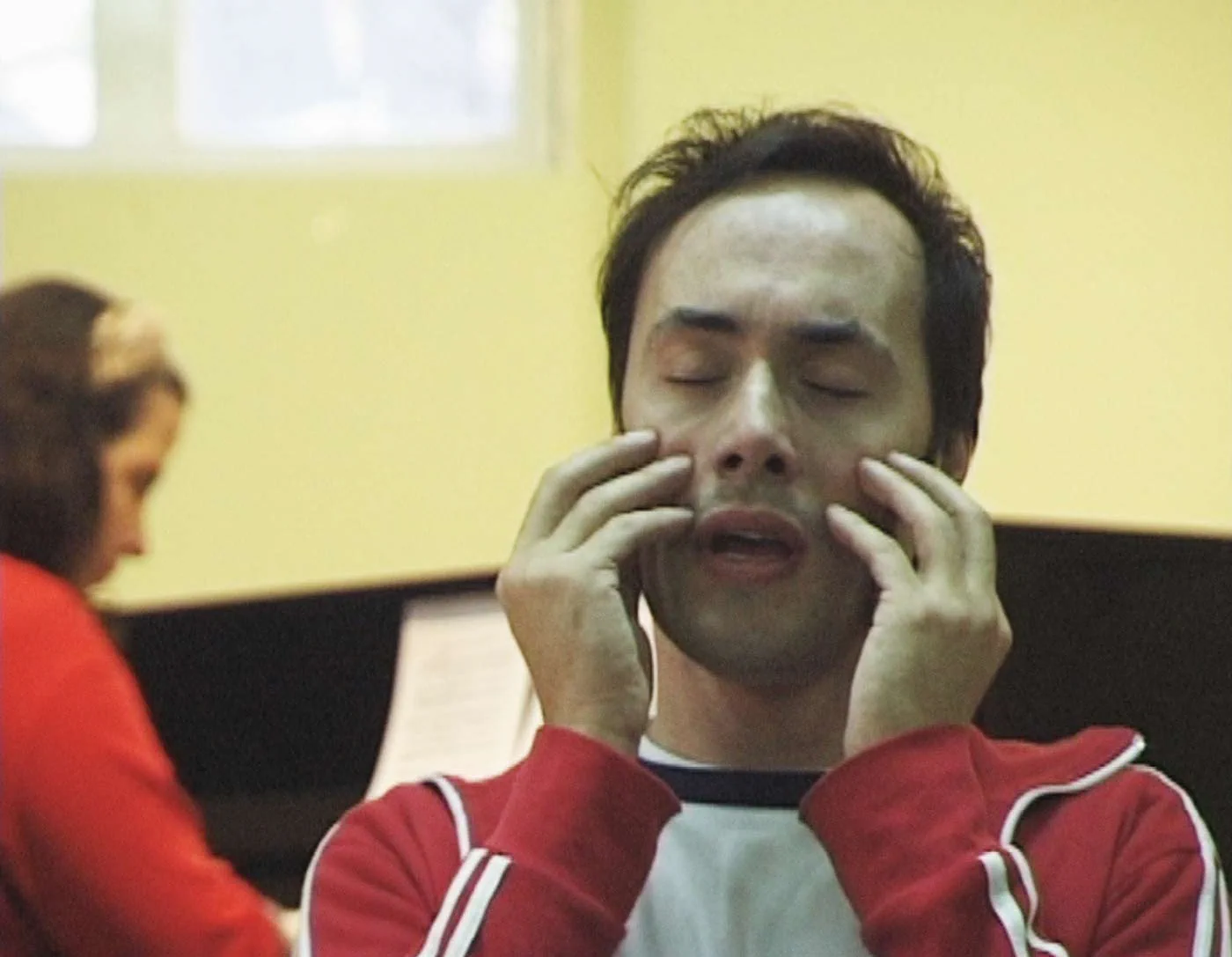
At Pavilhão Julião Sarmento, Araújo’s installations, photographs, videos and other works explore psychological and existential questions. Books of watercolours inspired by a journey to southern South America are among the works; this is a gallery visit, not a scheduled live performance.
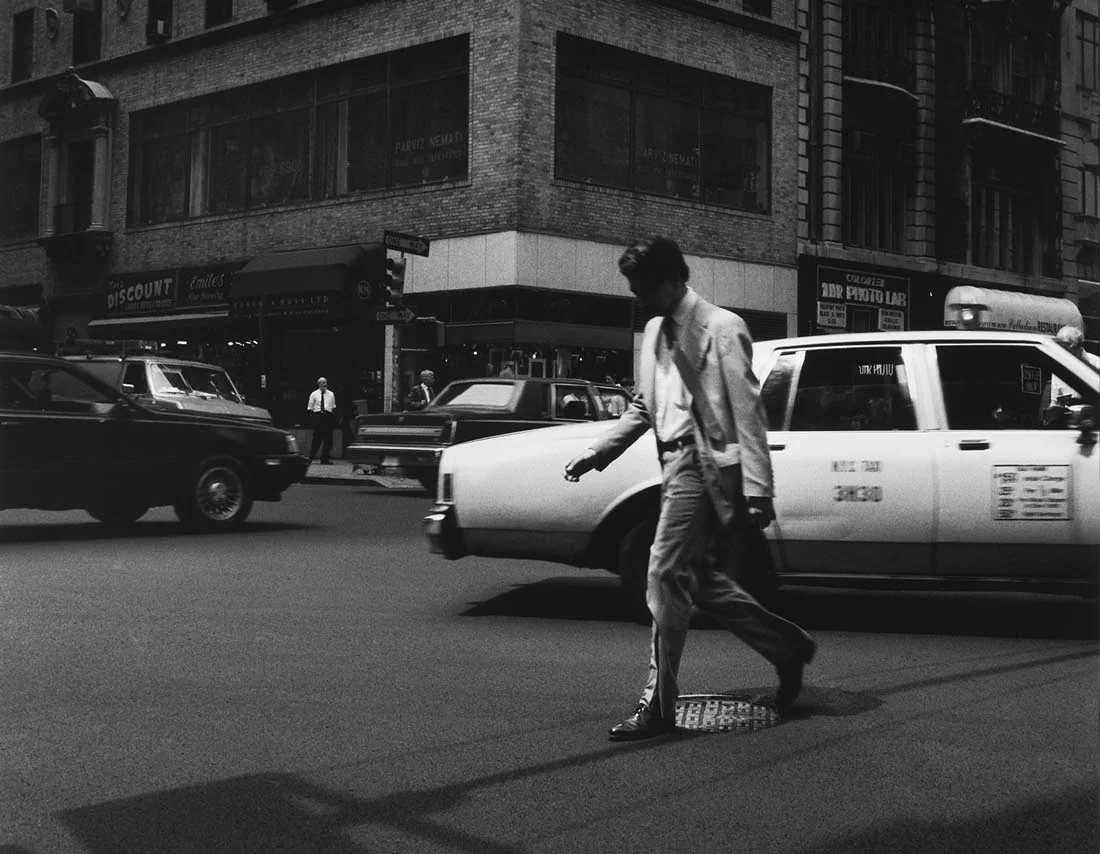
Contemporary photography meets influential historical work in exhibitions spread across Lisbon. Pick a specific exhibition and its venue from the festival programme before setting off; the festival listing does not mean every activity happens at one address.
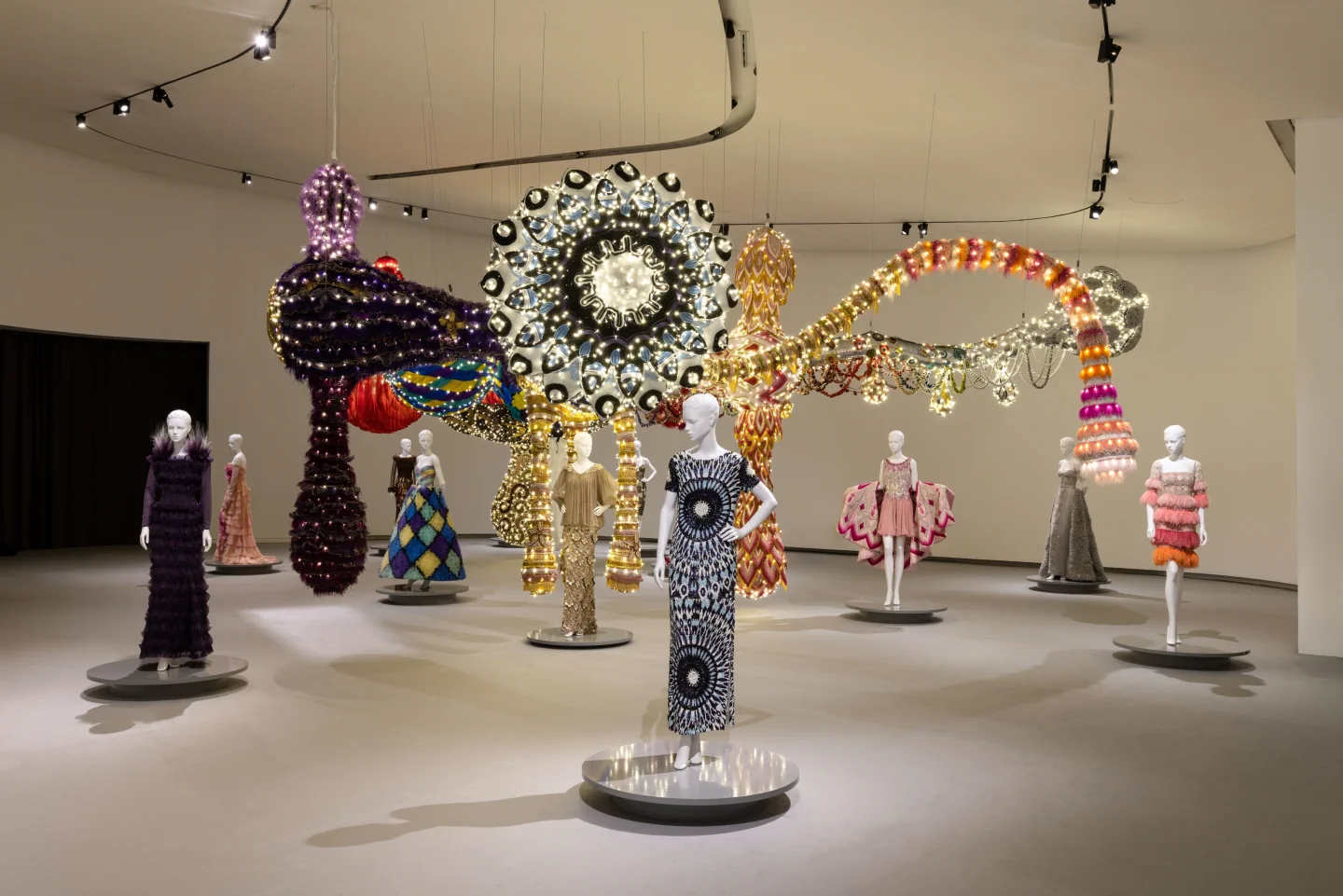
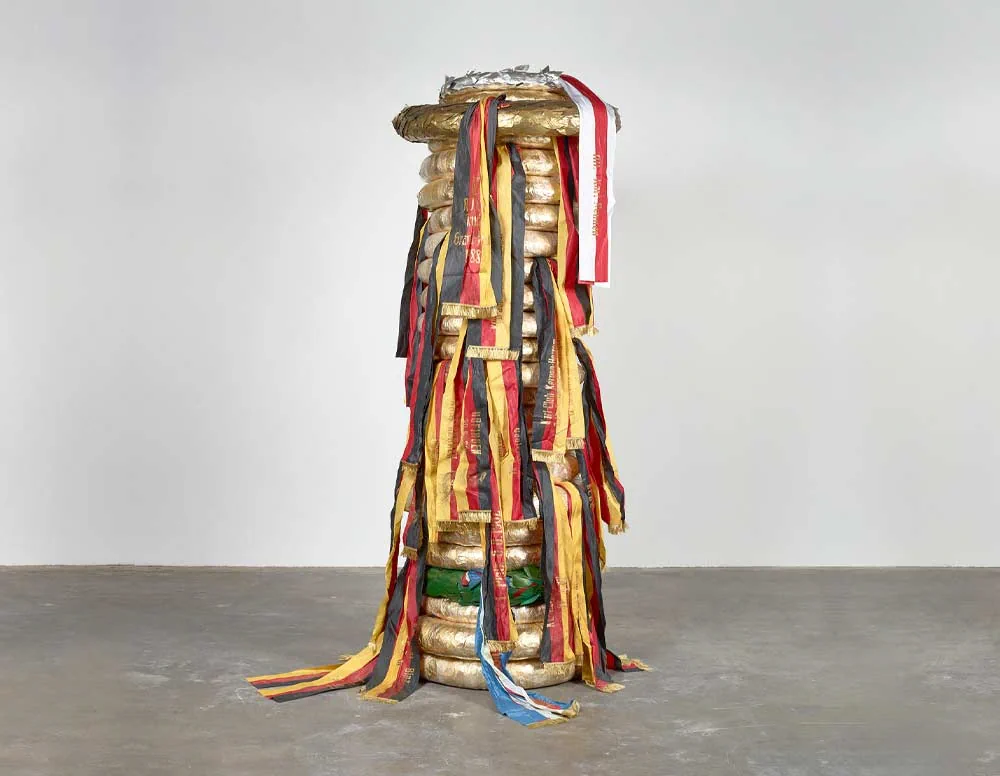
For an art afternoon with a little theatre in the room: Joana Vasconcelos’s large textile works meet Valentino’s couture at MAAT Gallery. Give the installation time rather than treating it as a quick fashion-photo stop. This is an exhibition, not a runway show. Check museum admission and any separate guided-visit arrangements.
Hard hats on: children aged 7–12 explore the old Central Tejo power station and discover how it once powered Lisbon. A guided activity, not just a look around the museum. Book the child’s session and confirm the spoken language and accompanying-adult arrangements with MAAT.
This is a food-shop stop, not a flea market: certified organic producers bring fruit, vegetables, herbs and other Portuguese products to the Campo Pequeno garden. Pick up something seasonal for a picnic or a simple meal at home. The tourism board lists Saturday editions and free entry; confirm the current arrangements with Agrobio.
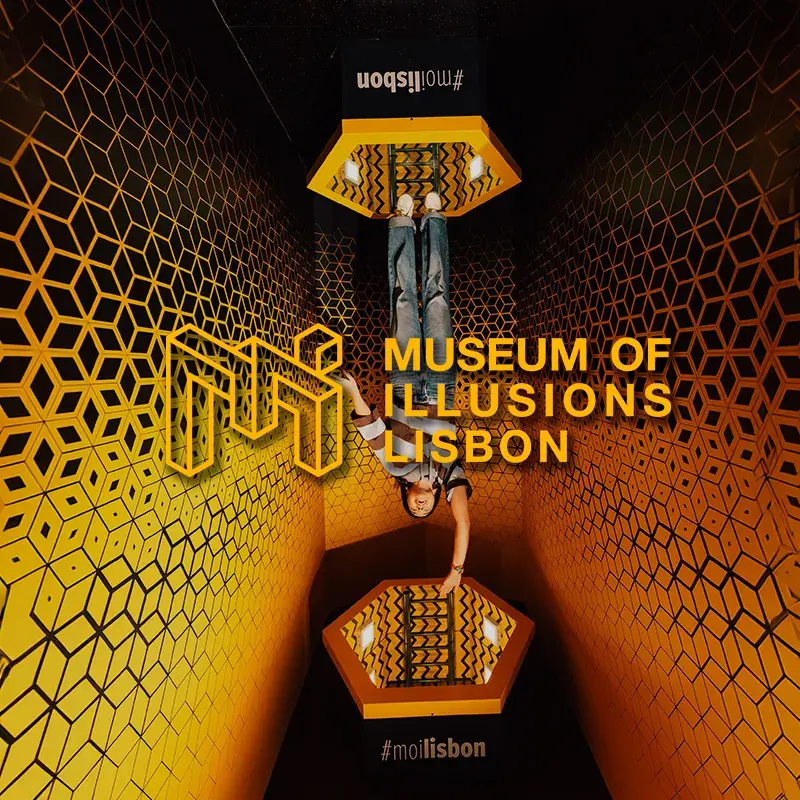
At the Museum of Illusions in Chiado, optical installations, puzzling rooms and visual challenges put perception at the centre of the visit. It is a hands-on stop for a group that wants to explore together. Check access for your party: the organiser notes that two exhibits have steps, even though the museum offers reduced-mobility access.
Sala Subterrânea da Estação do Metro Terreiro do Paço
A shared virtual-reality journey turns astronomy into something you can move through. Developed with the Smithsonian Astrophysical Observatory, it follows a route from an observatory to distant stars and a black hole. Choose this for an immersive science outing rather than a conventional museum gallery.
This Candlelight programme brings The Four Seasons and La Folia into a string-quartet setting. The draw is the repertoire and the smaller ensemble, so compare the listed venue and session before choosing your evening. It is a tribute programme; the featured composer is the subject of the music.
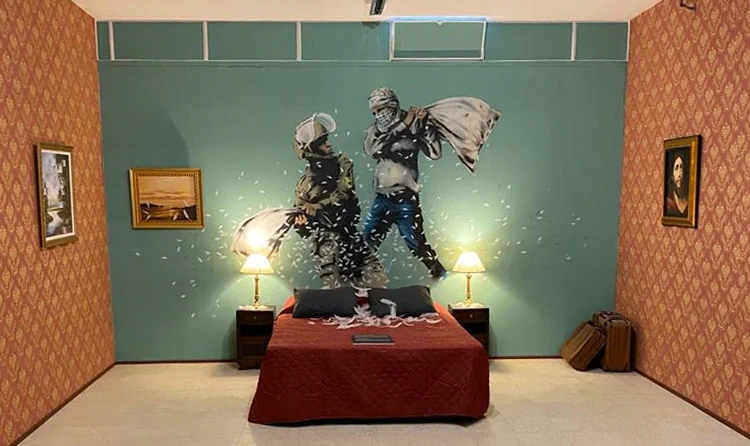
Graffiti, films and installations introduce Banksy’s political and social ideas. The museum displays reproductions, not a collection of original street works—useful to know before choosing this stop.
Devrim Erbil’s city landscapes connect Istanbul and Lisbon through colour and urban rhythm. A painting-led stop at Palácio Pimenta, rather than a talk or a city walking tour.
Rosana Antolí combines a sculpture on the garden pond with birdsong, electronic music and a soprano voice. This is an art-and-sound installation in Gulbenkian’s South Garden, not a live opera ticket or a talk.
Fundação Calouste Gulbenkian - Centro de Arte Moderna
See collection works that usually stay out of the galleries, in a space also used by museum professionals. This is a supervised, limited-capacity visit; check the published entry slots before arriving.
Browse stalls around the garden: antiques and crafts on some dates, organic produce on others. The year-long listing covers several recurring markets, not a market that opens every day.
At MAAT Central, works by Portuguese artists trace the collection from the 1960s onwards. A broad introduction to contemporary art, with photographs, sculpture and other media to explore.
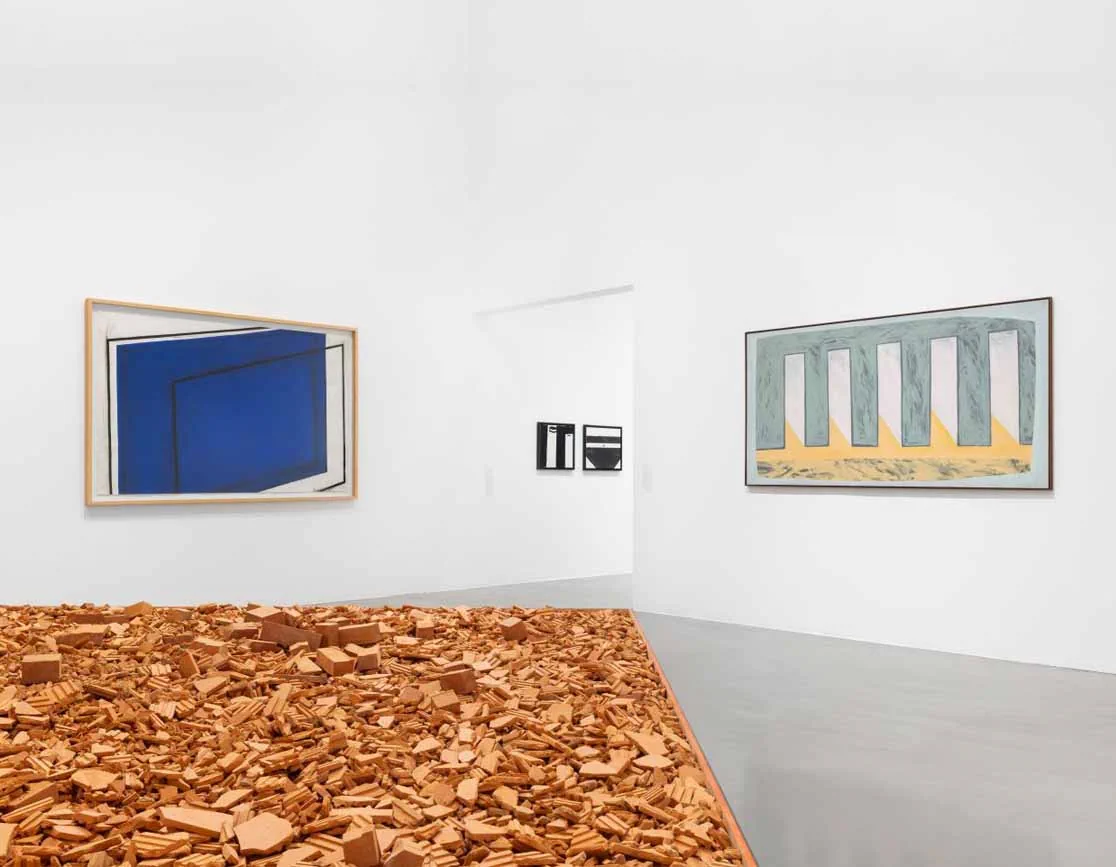
Works from the Julião Sarmento Collection explore how American cinema, cities and cultural myths shaped postwar art. Rita McBride’s Arena is reimagined using reused materials. This is a gallery exhibition at Pavilhão Julião Sarmento, not a screening of the film.
Sculptures and installations from the MACAM collection explore balance, materials and the forces that shape spaces. A three-dimensional art exhibition, not a fitness or outdoor event.
MAAT’s Oval Gallery brings together Cabrita Reis’s paintings, drawings and sculptures. Familiar materials become part of a much larger conversation about art and the spaces around us. Pair this exhibition with a riverside Belém walk.
No additional confirmed festival edition is listed here for this month. See the seasonal guide for ideas still awaiting dates.
Programme snapshot updated 2026-10-24 22:05 UTC. This is not a manual check of every session or live ticket availability.
What to pack for December
Check holiday opening arrangements and book the actual menu you want. A normal restaurant price is not a Christmas or New Year's Eve quote.
The figures above are the 1991–2020 monthly climate normals for Lisbon's Instituto Geofísico station. An average daily high or low is not an extreme, and an average rain-day count does not tell you which days will be wet. Check the daily forecast and current warnings before an outdoor commitment.
One good anchor, then leave room
The winter and New Year guides distinguish seasonal ideas from announced programmes. Lights, markets, concerts and fireworks only become dated plans when their current organiser confirms them.
Choose a meal near the part of the city you want to explore. Our neighbourhood and food guides keep the existing place notes, branch details and saved-list links together. For a bigger route, Plan my days can combine places with announced dated sessions; the final booking stays with the venue.
Numbers on the dates count programmes with published single dates or explicit session dates, not a ticket for each listed idea. An exhibition period or booking window never turns into a session on every date between its endpoints. Select a day to see its dated programmes and the separate longer periods.
The event and festival lists come from our existing saved programme sources. They are partial coverage, not everything happening in Lisbon. Check the organiser's session, language, age, access and ticket terms before you arrange the rest of the day. A dated programme is not evidence of a seat being available.
Leave daylight for the walk you want
Sunrise and sunset here are calculated for the public city-centre reference point and the displayed date, in Lisbon time. They are rounded estimates, not a forecast of visible sunshine; hills, buildings and clouds change what you actually see.
Use the date with a reservation time and check the return journey for a late evening. A sunset estimate, an ordinary Metro operating window and a specific transport connection are different pieces of information.
If the weather or a booking changes, shorten the outdoor stretch rather than replacing it with three distant stops. A café, an indoor visit or a workshop from our guide can give the day a new shape without starting again from scratch.
Save the places you want to keep to My Lisbon on this device. For a ticketed activity, keep the confirmation and exact meeting point available before you leave. The monthly programme can change, so revisit the organiser's information close to the date.
No. It uses IPMA's 1991–2020 monthly climate normals. The average low, high and number of days with at least 1 mm of rain are seasonal context, not a prediction for individual travel dates.
Are there events every day in a festival or exhibition range?
Do not assume so. Calendar counts use explicit published dates. Longer programme periods are shown separately; use the organiser's own session or opening information before booking.
Which year does this December guide show?
The calendar shows the next occurrence of December within the current twelve-month planning window. The displayed year applies to the announced events; the climate figures are historical monthly averages.